Key Takeaways
- Python for students provides a highly readable, beginner-friendly introduction to coding.
- Python programming for beginners focuses on logical thinking rather than complex syntax rules.
- The benefits of learning Python include better problem-solving abilities and enhanced creativity.
- Learning Python step by step guarantees a smooth transition from basic concepts to advanced projects.
- Python coding skills for students remain highly sought after by international tech companies.
Python stands out as the absolute best starting point for anyone entering the coding world. It offers a clean, readable syntax that closely mirrors human language. This simplicity removes the steep learning curve traditionally associated with computer science. You can start writing functioning code on your very first day.
Learning Python opens doors to an incredible array of future career paths. From artificial intelligence to web development, this language powers the modern internet. Students who grasp these concepts early gain a massive advantage over their peers. We will explore exactly why this tool dominates global education.
This guide explores the immense benefits of learning Python for academic and professional growth. You will discover practical strategies for mastering the language quickly and efficiently. We also break down how these skills translate directly into real-world success.
The Global Rise of Python in Education
Python programming education dominates classrooms worldwide due to its unmatched versatility and ease of use. Schools and universities recognize that students need accessible tools to grasp complex computational logic. Educators prefer this language because it allows learners to focus on problem-solving instead of memorizing punctuation.
A worldwide movement toward digital literacy places coding at the center of modern curriculums. You see nations integrating these classes into elementary and high school programs to prepare the next generation. This global shift ensures that young minds develop the analytical skills required for tomorrow’s job market.
Preparing for the Future
Building a future-proof skill set requires tools that evolve with technology. Python adapts constantly to support emerging fields like machine learning and big data. Students who learn these fundamentals now will easily transition into the most lucrative careers of the coming decades.
You cannot ignore the massive demand for technological fluency in the modern workplace. Almost every major industry relies on automated scripts and data analysis to drive business decisions. Mastering these tools gives you the power to innovate and lead in an international landscape.
Top Benefits of Learning Python Early
The core benefits of learning Python center around its incredibly forgiving learning curve. Beginners rarely feel overwhelmed because the code looks and reads like standard English. This approachability builds immediate confidence, encouraging learners to experiment and build their own digital projects.
Python for school students teaches critical thinking and advanced problem-solving methodologies. You learn how to break large, complex problems into small, manageable pieces of logic. This structured way of thinking improves academic performance across math, science, and even language arts.
Simplicity Meets Power
Do not let the easy syntax fool you; this language packs massive computational power. Major international companies use the exact same tools to run complex algorithms and manage vast databases. You get the rare combination of a beginner-friendly interface attached to an enterprise-grade engine.
Python programming for beginners scales perfectly alongside your growing abilities. You can write a basic calculator program on Monday and build a functional web scraper by Friday. This rapid progression keeps learners highly motivated and eager to tackle new challenges.
Python Programming Basics Explained
Mastering Python programming basics requires understanding just a few foundational concepts. You start with variables, which act as simple storage containers for numbers and text. Once you understand how to store information, you can manipulate it using basic mathematical operations.
Control structures form the next critical pillar of your coding journey. Python coding for beginners relies heavily on “if/then” statements and loops to make decisions. These simple commands tell the computer exactly how to behave when it encounters different types of data.
Easy Syntax for Quick Learning
The syntax rules here prioritize extreme readability over complex formatting. You do not need to use confusing semicolons or curly braces to organize your thoughts. The language uses simple indentation to structure blocks of code, making it visually clean and easy to read.
This clean visual layout drastically reduces the number of frustrating errors beginners face. You spend less time hunting for missing punctuation and more time actually building exciting software. This streamlined approach makes Python for students the undisputed champion of the classroom.
Variables and Simple Commands
Variables act as the fundamental building blocks for absolutely everything you will create. You simply assign a name to a piece of data, and the computer remembers it for later use. This allows you to build dynamic programs that respond to user input and changing conditions.
Functions serve as reusable chunks of logic that perform specific tasks within your program. You can write a function once and call it hundreds of times without rewriting the underlying code. This efficiency teaches excellent organizational habits that apply to all other coding environments.
Learning Python Step by Step
Learning Python step by step guarantees long-term retention and prevents beginner burnout. You should always start by installing the official interpreter and a basic code editor. These free tools provide everything you need to begin experimenting with your very first scripts.
Your initial projects should focus exclusively on text-based input and output operations. Building simple quiz games or random name generators solidifies your understanding of fundamental logic. These quick wins build the necessary momentum to tackle more complex, visual applications later.
Setting Up for Success
Creating a dedicated, distraction-free environment dramatically improves your ability to absorb complex information. You need a reliable computer, a comfortable workspace, and a consistent daily study schedule. Committing just thirty minutes a day yields much better results than cramming for hours on the weekend.
Leverage the massive, worldwide community of developers when you inevitably get stuck. Thousands of free forums and discussion boards exist specifically to help newcomers overcome hurdles. Engaging with these international communities accelerates your growth and introduces you to industry best practices.
Moving Beyond the Basics
Once you master the fundamentals, you must transition into building practical, real-world projects. Python coding skills for students shine brightest when applied to actual problems you want to solve. Consider writing a script that automates your homework organization or tracks your favorite sports statistics.
Integrating third-party libraries allows you to dramatically expand what your programs can achieve. You can download pre-written code packages to handle complex tasks like internet requests or data visualization. This modular approach teaches you how to build massive applications by assembling existing puzzle pieces.
Expanding Python Coding Skills for Students
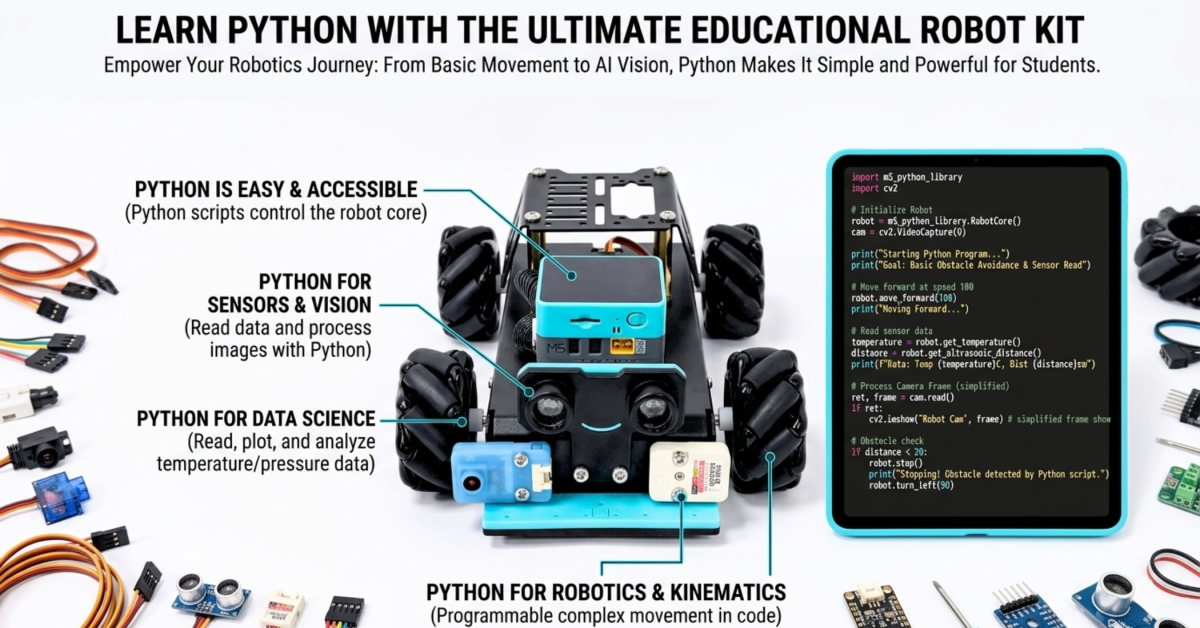
Advanced Python coding skills for students open pathways into highly specialized technical fields. You can pivot your foundational knowledge toward robotics, artificial intelligence, or advanced mathematics. The language flexes to accommodate whatever specific interests capture your imagination.
Building a diverse portfolio of completed projects proves your competence to future academic and professional institutions. You should host your code on public repositories to demonstrate your continuous progress and dedication. A strong portfolio speaks much louder than simply listing a language on your resume.
Practical Applications
Data science currently represents one of the most exciting applications for these specific skills. You can use specialized libraries to analyze massive spreadsheets and uncover hidden trends. This analytical capability proves invaluable for science fair projects, research papers, and future university studies.
Web development offers another incredibly rewarding avenue for creative exploration. Frameworks like Django and Flask allow you to build fully functional websites using the exact same logic. You can easily publish your own blogs, interactive tools, or digital storefronts to a global audience.
Data, Games, and Web
Game development provides a highly engaging way to practice complex logical structures. Using libraries like Pygame, you can design your own 2D platformers or classic arcade clones. Creating games teaches you about collision detection, physics, and user interface design in a fun environment.
The internet relies heavily on backend systems powered by this exact technology. Understanding how servers communicate with browsers gives you a massive advantage in the digital space. You learn how to build secure, scalable applications that can handle traffic from users worldwide.
How Python Programming Education Shapes Careers
Python programming education directly translates into massive advantages in the modern job market. Employers actively seek candidates who possess strong computational thinking and automated problem-solving capabilities. These skills remain highly relevant regardless of whether you pursue software engineering, finance, or healthcare.
Understanding automation allows you to eliminate tedious, repetitive tasks from your daily workflow. You can write simple scripts that organize your files, scrape data from websites, or send scheduled emails. This efficiency makes you a highly valuable asset to any future organization.
Opening International Doors
Coding represents a truly universal language that transcends physical borders and cultural barriers. A developer in Tokyo can seamlessly collaborate with a programmer in New York using the same syntax. Mastering these concepts connects you to a truly international network of innovators and creators.
Remote work opportunities continue to expand rapidly for individuals with strong technical competencies. You can contribute to open-source projects or accept freelance contracts from clients anywhere on earth. Python for students provides the foundational key to unlocking this incredible global freedom.
FAQ: Python for School Students
Is Python programming for beginners really that easy?
Yes, it features a highly readable syntax that closely resembles plain English. This eliminates complex punctuation rules, allowing beginners to focus purely on learning core programming logic.
What are the main benefits of learning Python?
It improves logical thinking, boosts problem-solving abilities, and opens doors to future technical careers. It is also incredibly versatile, powering everything from simple games to advanced artificial intelligence.
How can I start learning Python step by step?
Begin by downloading a free code editor and following interactive online tutorials. Focus on basic text-based projects first before moving on to visual applications or web development.
Can Python coding skills for students help with other subjects?
Absolutely. The structured logic required for coding directly translates to improved performance in mathematics and sciences. It teaches you how to systematically break down and solve complex problems.
Conclusion
Starting your coding journey with the right tool determines your long-term success and enjoyment. Python removes the traditional barriers to entry, allowing you to build real projects almost immediately. Its combination of beginner-friendly syntax and enterprise-level power makes it the undisputed champion of technical education.
Take action today by downloading the software and writing your very first lines of code. The global community stands ready to support you as you develop these vital, future-proof skills. Embrace the challenge, start building, and unlock your potential in the digital world.
Author Bio
Maker and Coder
Maker and Coder is a passionate technology educator dedicated to making programming accessible to everyone. With years of experience teaching digital literacy to a global audience, they specialize in breaking down complex topics into easy, actionable steps. Maker and Coder believes that everyone has the potential to build the future through software.