Key Takeaways
- Project-based learning vs traditional learning is a major debate, but blending both often yields the best results for students.
- Traditional classroom learning excels at delivering foundational facts and creating structured, predictable environments.
- Project-based learning advantages include boosting creativity, teamwork, and deep problem-solving skills.
- Student-centered learning prepares kids for the future by mimicking real-world international workplace challenges.
Do you remember your favorite day of school? I certainly do! It was not the day I memorized the multiplication table; it was the day we built a working volcano out of baking soda and clay! That hands-on excitement is exactly what makes education so thrilling.
Today, we are diving into the ultimate educational showdown: project-based learning vs traditional learning. If you are wondering how to best support the learners in your life, you are absolutely in the right place! We will explore exactly how these different styles work and why blending them might just be the secret to worldwide student success.
Understanding Traditional Classroom Learning
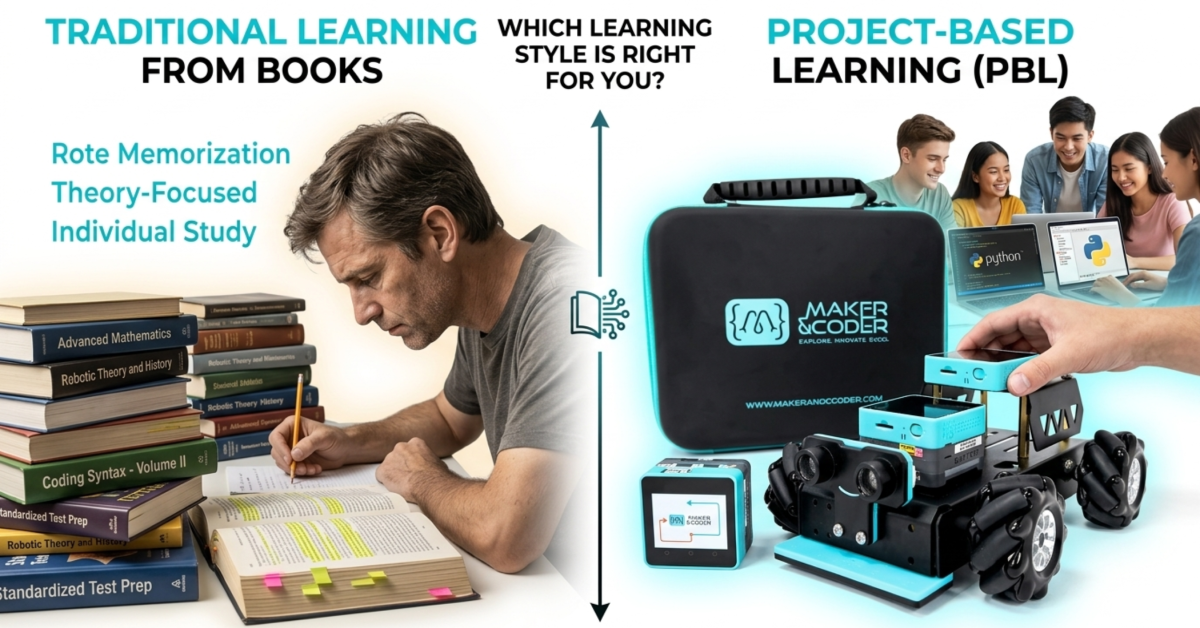
Traditional classroom learning is a teacher-led approach where instructors deliver information directly to students through lectures and textbooks. The main goal is to build a strong foundation of knowledge through memorization, repetitive practice, and standardized testing. Students usually work independently to prove their understanding on exams.
This method has been the backbone of worldwide education for centuries! It provides a highly structured environment where expectations are clear and progress is easily measured. Teachers can efficiently deliver a massive amount of information to a large group of students at the exact same time.
However, traditional learning methods can sometimes feel a bit passive for energetic students. When kids just sit and listen, they might struggle to see how the facts on the chalkboard connect to their actual lives. That is exactly why educators started looking for more dynamic ways to engage their classrooms!
The Magic of Experiential Learning Methods
Experiential learning methods flip the script by putting students in the driver’s seat of their own education! Instead of just listening to a lecture about environmental science, students might actually go outside to test the local water quality. They learn by doing, making mistakes, and discovering the answers for themselves.
This is where student-centered learning truly shines bright! The teacher steps back to become a helpful guide rather than the sole provider of information. Students are encouraged to ask wild questions, collaborate with their peers, and explore topics that genuinely spark their natural curiosity.
When I first stepped into a classroom using these active learning strategies, I was blown away by the buzzing energy! Kids were laughing, debating, and building models together. It was a beautiful, organized chaos that made learning feel like an absolute adventure rather than a boring chore.
Project-Based Learning vs Traditional Learning: The Breakdown
When comparing project-based learning vs traditional learning, the biggest difference is how students interact with the material. Traditional learning asks students to learn the facts first and maybe apply them later. Project-based learning (PBL) introduces a complex problem first, and students learn the facts while trying to solve it!
Think of it like learning to bake a cake. The traditional way is to read the recipe book cover to cover and then take a quiz on the ingredients. The PBL way is to walk into the kitchen, grab the flour, and try to bake the cake, learning about measurements and chemical reactions along the way!
How Students Prove What They Know
Assessment looks completely different depending on which teaching style you choose. In a traditional setup, success is usually defined by a letter grade on a multiple-choice test. It is a straightforward, objective way to see if a student has memorized the required curriculum.
Portfolios Over Paper Tests
In a PBL classroom, students prove their knowledge through presentations, physical models, or digital portfolios.
- Public presentations: Students explain their projects to peers and parents.
- Peer feedback: Classmates offer helpful critiques to improve the final product.
- Self-reflection: Kids write about what they learned from their own mistakes.
The Power of Real-World Feedback
Getting feedback from outside experts makes practical learning for students incredibly powerful! When a local business owner reviews a student’s marketing project, the stakes feel real and thrilling. This connection to the outside world makes the educational experience totally unforgettable.
Incredible Project-Based Learning Benefits
The project-based learning benefits are truly phenomenal for developing well-rounded, confident kids! Because they are working on long-term challenges, students naturally develop deep resilience and grit. When their first idea fails, they learn to pivot, redesign, and try again without getting overly frustrated.
One of the greatest project-based learning advantages is how it fosters brilliant teamwork and communication. Students must learn to divide tasks, listen to different opinions, and resolve conflicts peacefully. These are the exact social skills they will need every single day in their adult lives!
Preparing for a Global Future
We are preparing students for a future job market that changes at lightning speed! Innovative teaching strategies like PBL teach kids how to think critically and adapt to new technologies quickly. They stop waiting for instructions and start actively looking for creative solutions.
Employers on an international level are desperately searching for workers who can manage complex projects from start to finish. By practicing these skills in middle and high school, students gain a massive competitive edge! They are ready to tackle global issues with confidence and boundless creativity.
Why Traditional Learning Methods Still Matter
Do not throw out those textbooks just yet; traditional learning methods are still incredibly valuable! PBL is amazing, but students still need a solid foundation of basic facts to build their creative projects upon. You cannot code a brilliant app if you do not understand basic math and logic first.
Direct instruction is often the fastest, most effective way to teach brand-new, complex concepts. If a teacher needs to explain the rules of grammar or a specific historical timeline, a clear, engaging lecture is absolutely perfect. It ensures everyone in the room starts on the same page.
Finding the Perfect Balance
The absolute best classrooms worldwide seamlessly blend both of these fantastic approaches! A teacher might use traditional methods to introduce a new math formula on Monday. Then, on Wednesday, the students use that exact formula to build a bridge out of popsicle sticks in a thrilling PBL activity!
Here is my top tip for educators: start small when introducing practical learning for students. You do not need to turn your entire semester into one giant project. Try a mini-project that lasts just two days to see how your students respond to the newfound freedom!
Embracing Innovative Teaching Strategies
Embracing innovative teaching strategies means being brave enough to try new things in the classroom! It requires patience, flexibility, and a wonderful sense of humor when projects inevitably get messy. The joy on a student’s face when their project finally works is worth every single drop of glue on the floor.
As we look toward the future of education, active learning strategies are becoming the spectacular new normal. Schools all over the world are redesigning their spaces to look more like collaborative workshops and less like rigid lecture halls. It is an incredibly exciting time to be a student!
Conclusion
The debate of project-based learning vs traditional learning doesn’t have to end with a single winner! By understanding the strengths of both methods, we can create vibrant, effective classrooms that serve every type of learner. The project-based learning benefits provide the creativity, while traditional methods provide the crucial structure.
Are you ready to bring a little more excitement into your educational journey? Try introducing one small hands-on project into your routine this week and watch the engagement soar! Keep experimenting, stay curious, and always remember that learning should be a joyful, lifelong adventure.
Author Bio
Maker and Coder
Maker and Coder is a wildly passionate team of educators, tech enthusiasts, and professional tinkerers! We absolutely love breaking down complex tech topics and making STEAM education accessible, engaging, and fun for everyone. With years of experience building hands-on curriculums, Maker and Coder is dedicated to inspiring the next generation of bold, global innovators through awesome coding and robotics adventures!